My first piano lesson happened on a baby grand when I was five years old. A polished white Baldwin that seemed so regal in the sun-filled sunken living room just off the front entryway. My dad was a musician, playing in bands across Salt Lake and Utah Counties, as well as being the organist for our church, so a piano was a given in the house. But it was shocking to see that my mom also played, occasionally sitting down with her collection of David Lanz piano books. Then it was my turn. At the helm of that glorious beast of an instrument, my mom pulling out a shiny new "little red book" lesson tracker and my first Alfred primer, I could sense that I was being ushered into a special club. Translating the music they were able to produce into finger numbers, key names, and the secret language of the grand staff seemed magical. I was six years old and entirely unaware that this instrument was doing something to me. I just knew I wanted to come back.
That memory comes up more often than you'd expect in my line of work. When customers walk into Piano Gallery and say they're looking for a baby grand, there's almost always a story behind it. A childhood teacher's studio. A grandparent's parlor. A corner of the living room that has been filled with the daydream of a baby grand since the first moving boxes were packed in. Baby grands carry weight that uprights and digitals rarely do, and after 40 years and more than 45,000 pianos sold, we've seen that pattern repeat more times than I can count.
So here's what I actually know about choosing one in 2026.
What "Baby Grand" Really Means
The term refers to grand pianos in the roughly 4'6" to 5'6" range. Below 5 feet, you're getting a true baby grand. Between 5' and 5'6", some manufacturers call it a "medium grand" or "parlor grand," but shoppers typically lump everything under 5'7" together as a baby grand. The distinction matters because cabinet size directly affects string length and soundboard area, which means it affects tone. A 4'11" grand will have a brighter, lighter bass than a 5'7" model. That's physics, not marketing.
For most home settings, baby grands in the 5'0" to 5'3" range hit the best balance. They fit in a standard living room with proper clearance (at least 2 feet behind the bench, 2 feet on the treble side), and they produce enough sound to fill the space without overwhelming it.
Yamaha Baby Grands: The Starting Point for Any Serious Search
If you're looking at new acoustic baby grands, Yamaha is where most conversations begin since it's one of the household names in pianos across the United States. And for good reason. As one of Yamaha's Top 5 authorized dealers in the United States, we carry their full acoustic grand lineup and sell more of them across our Murray, Orem, and St. George locations than almost any other brand in the market. That gives us a ground-level view of what holds up over time, what sounds good, and what buyers wish they'd known before they purchased.
Yamaha's entry-level grand lineup starts with the GB1K at approximately 5 feet. Browse our Yamaha grand piano collection to see what's currently on the floor. The GB1K is genuinely beginner-accessible without feeling like a beginner instrument. The action is consistent, the tone is clear and balanced, and it responds honestly to the player's touch. For families whose child is progressing through intermediate repertoire, or for returning adults who want a real acoustic grand in the home, the GB1K is a high quality, price-accessible choice.
The GC1 (also around 5'3") steps up from the GB1K with refined string scaling and improved soundboard materials. Pianists who've played both models back-to-back notice a rounder bass and a more singing treble on the GC1. For serious students and adult players who intend to keep the instrument for decades, the GC1 is often the right call.
Further up the lineup, the C1X (5'3") belongs to Yamaha's CX series and crosses into professional-grade territory. The difference between the GC1 and the C1X is meaningful: the CX series inherits design elements from Yamaha's CF concert grands, including a scaled-down version of the solid spruce soundboard construction. This is the piano a piano teacher buys for their home studio. It's also the instrument an experienced player reaches for when they've finally stopped settling.
An Honest Conversation About Budget
Baby grands are a real investment. New Yamaha baby grands range from approximately $7,000 to well above $20,000 depending on model and finish. Prices are approximate — contact us for current pricing.
If budget is the constraint, our pre-owned piano inventory is worth a serious look. We regularly carry used Yamaha grands in good to excellent condition, including models that have gone through our shop before hitting the floor. A well-maintained used Yamaha grand from a reputable source often outperforms a brand-new entry-level grand from a lesser manufacturer. Age doesn't disqualify a piano. Neglect does.
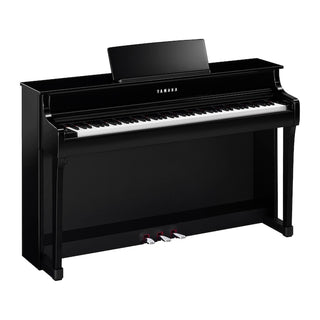
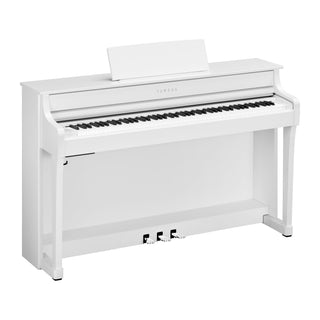
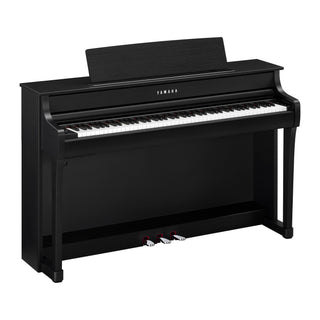
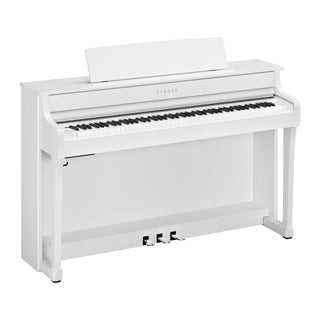
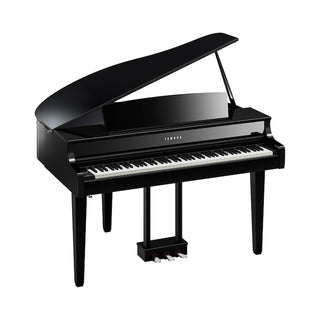
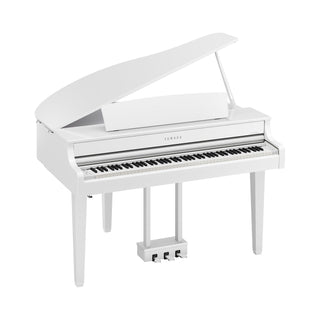
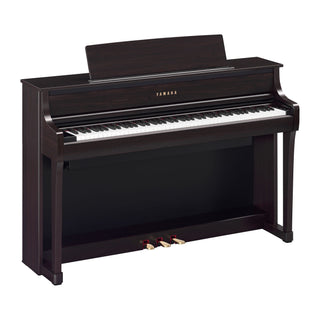
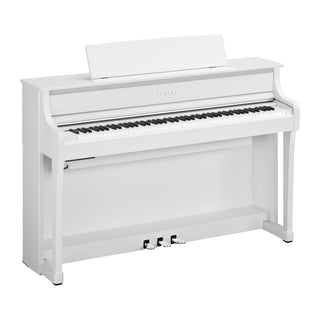
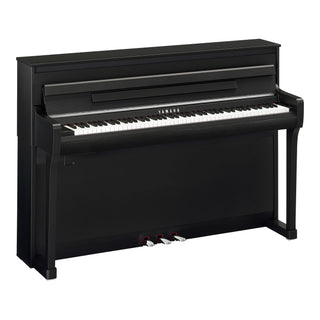
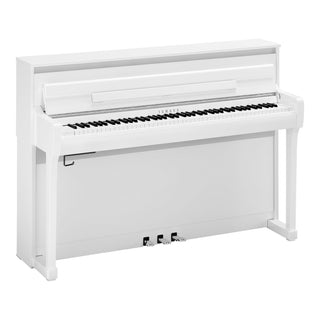
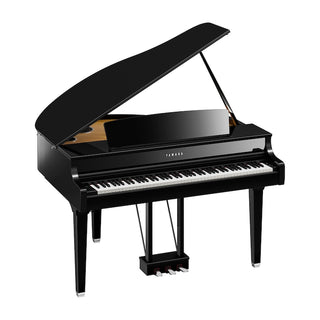
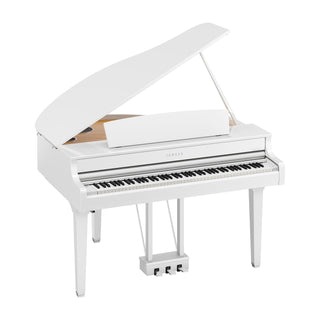
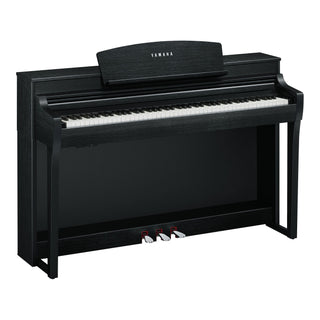
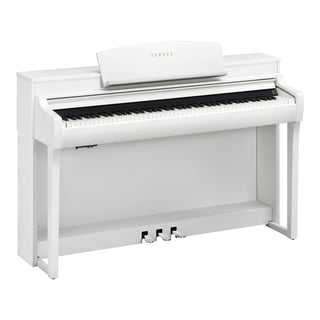
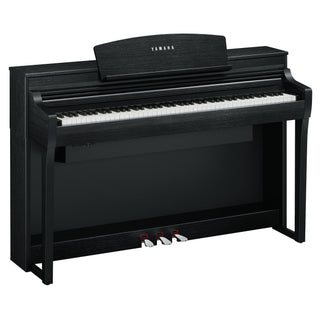
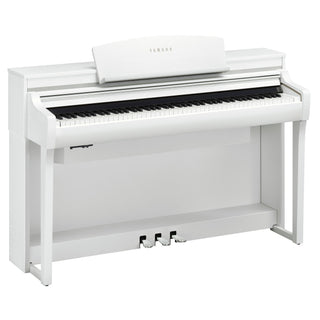
The other honest answer: if the home needs an instrument with grand piano touch and sound but a baby grand's footprint isn't realistic, a high-end Yamaha Clavinova or AvantGrand hybrid deserves an audition. The CLP-895 GP and the AvantGrand series use grand-cabinet designs at significantly lower price points than acoustic grands. They won't replace a fine acoustic — there are things a well-regulated acoustic grand does that no digital has fully replicated — but they close the gap more than most players expect until they sit down and play one. For a deeper look at how acoustic and digital instruments compare, our guide to digital vs. acoustic pianos in Utah covers the practical differences honestly.
What to Listen For When You Play One
Most customers who come in to try baby grands focus on appearance first and sound second. That's understandable. A baby grand is furniture as much as it is an instrument. But the evaluation that matters most is what happens when you play it quietly.
Anyone can make a grand piano sound big at forte. The real test is pianissimo. Sit down, choose a passage you know well, and play it softly. Does the tone sustain cleanly? Does the action respond at low velocities without clunking or going dead? Baby grands with shorter strings and smaller soundboards can struggle at the quiet end of the dynamic range more than larger instruments do. Play soft. That's where you'll learn what you're actually buying.
Also play the same note repeatedly at medium velocity. The action should feel consistent from key to key. Any key that feels stiffer, spongier, or different from its neighbors signals regulation work that needs to happen before or soon after purchase.
Come Play One Before You Decide
Reading about baby grand pianos is useful. Playing them is what actually matters. Our Murray location carries the deepest acoustic grand inventory we have across all three stores, and our staff there has handled more acoustic grand sales, moves, and trade-ins than I can count. The Orem and St. George locations also carry acoustic grands and serve Utah Valley and Southern Utah.
If you've been thinking about a baby grand for longer than you'd like to admit, come in. Bring your music if you have it. Sit down at three or four instruments. Notice what your hands tell you that your eyes missed entirely.
Find us at Piano Gallery locations in Murray, Orem, and St. George and see what's currently on the floor.
Prices referenced in this article are approximate. Contact us for current pricing on all Yamaha acoustic grand pianos.