Shopping for a piano in 2026 can feel a little different than it did even a few years ago. Buyers are weighing more options, comparing new and pre-owned instruments more carefully, and asking smarter questions about long-term value. That is a good thing. A piano is not just a purchase; it is a piece of furniture, a musical tool, and often part of a family’s daily life for years or even decades.
The big story in today’s market is that while there is still strong demand for quality instruments, the broader piano and music-products market has been uneven. Yamaha has reported sluggish piano recovery alongside added U.S. tariff pressure, and Music Trades reports that music retail sales remain below 2021 levels in real terms, even as prices have risen. For consumers, that has created a market where well-selected used pianos can look especially attractive compared with buying new at the lower end of the market.
In other words, the 2026 used piano market is not just about finding something cheap, it is about finding something good. There is a big difference between a used piano that has been properly maintained, evaluated, and prepared for resale, and one that simply happens to be old and available. That distinction matters more than ever. Piano Buyer notes that used piano values vary widely based on local supply and demand, cosmetic condition, playing condition, and the amount and quality of restoration work that has been done.
Why the used piano market still appeals to so many buyers
Used pianos continue to appeal to families, returning players, experienced pianists, and value-conscious buyers for a few simple reasons. First, a good used piano can deliver more musical value for the money than a lower-tier new instrument. Second, many buyers love the idea of owning an acoustic piano with character, warmth, and craftsmanship that may be difficult to duplicate at the same price point in a brand-new model. Third, some buyers want to step into a better level of piano than their budget would allow if they only shopped new.
That said, the used market has always been uneven, and it still is in 2026. Some instruments are excellent buys. Others are money pits hiding behind polished cabinets and nostalgic stories. A piano can look beautiful from across the room and still have serious structural or mechanical issues underneath. That is why shopping used should never be based on appearance alone.
Why Utah buyers need to pay extra attention
Utah is a particularly important place to shop carefully for a piano because climate matters. The state’s dry air is one reason evaporative cooling works so well here, and low humidity is a real part of life across much of Utah. Pianos, however, are made of wood, felt, cloth, glue, and metal parts that respond to environmental change. Yamaha recommends roughly 35% to 55% humidity, with 45% as an ideal target, and Steinway likewise emphasizes keeping humidity fluctuations as narrow as possible.
That matters when shopping used. Yamaha specifically warns that pianos built for moist climates and later placed in a dry environment can develop issues such as warped case parts, soundboard cracks, and loose tuning pins. In a state like Utah, where dry conditions are common, buyers should be especially cautious about any used piano with an unclear history, especially imported or “gray market” instruments that may not have been intended for this climate.
What to look for when buying a used piano
When buying a used piano, the first question is not “Is this a good brand?” The first question is “What kind of condition is this specific piano in?”
Brand matters, but condition matters more. A respected name on the fallboard does not automatically make an instrument a good purchase. Age alone does not tell the full story either. Some older pianos have been maintained beautifully. Others have spent years in garages, near heating vents, or in homes where regular service was neglected.
Here are the biggest things a buyer should pay attention to:
1. Tuning stability
A piano that cannot hold a tuning is not a bargain. Look for signs of loose tuning pins, heavy mistuning, or evidence that the pinblock has been chemically treated to temporarily tighten pins. On a grand piano, cracks or delamination in the pinblock are particularly serious warning signs.
2. Soundboard and structural health
Not every soundboard crack means a piano is worthless, but it does mean the instrument deserves closer evaluation. Some cracks may be mostly cosmetic, while others can be linked to buzzing, loss of crown, or other tonal and structural issues. Buyers should also look for bridge damage, excessive cracking, or signs of neglect.
3. Action and touch
A used piano should feel responsive and even from note to note. Keys should not stick, wobble excessively, or feel dramatically different across the keyboard. The tone should also be reasonably consistent. If one section sounds bright and another dull, or if the action feels uneven, the instrument may need more work than you expect.
4. Rust, string condition, and signs of moisture damage
Light tarnish may not be a deal-breaker, but heavy rust, missing strings, excessive string replacements, or corrosion around coils and bearing points are all red flags. These can point to storage problems, environmental stress, or looming repair costs.
5. Service history
One of the most helpful things a seller can provide is a clear maintenance history. When was the piano last tuned? Has it had regulation work? Were repairs done by a reputable technician? Has it been moved recently? A used piano with records is generally far more reassuring than one with vague answers and a dusty bench full of old sheet music.
6. A technician’s inspection
This is one of the smartest investments a buyer can make. Used pianos rarely need “just a tuning.” A qualified piano technician can tell you what service the piano actually needs and whether it is worth pursuing at the asking price. This is another reason buying from a reputable retailer like Piano Gallery can be helpful: every single one of our used pianos undergoes a multi-point technical inspection before we offer it for sale in our used piano marketplace.
Private-sale bargain or dealer-prepared piano?
This is where many shoppers make a costly mistake. A private listing can look like a steal, but the asking price is only part of the real cost. A used piano may also need inspection, moving, tuning, regulation, repairs, cleaning, and climate-related adjustments after it arrives in your home. Dealerships may charge more upfront than private sellers, but that extra cost can be offset when the instrument has already been repaired, tuned, prepared, and sometimes backed by a warranty or service support.
That is one reason many buyers prefer purchasing from a reputable dealer. Besides buying the piano, you are also buying preparation, guidance, accountability, and support after the sale. And when it comes to a complex instrument, that matters. A fair price is not simply the lowest number; it is the price attached to the instrument and level of service that truly fit your needs.
What to look for when shopping for a new piano
For many buyers, new is still the right answer.
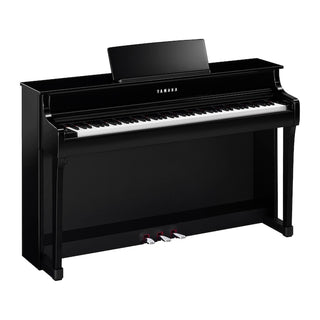
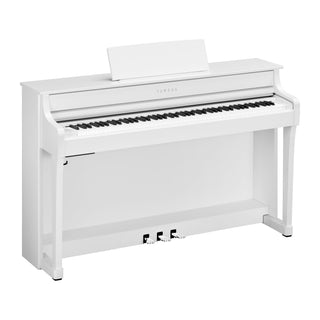
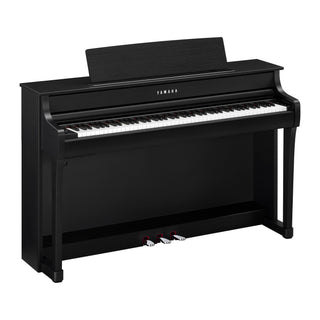
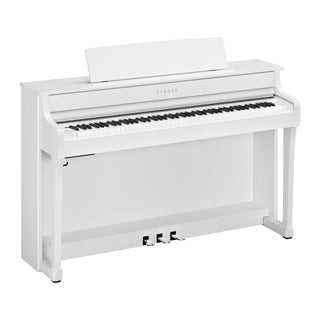
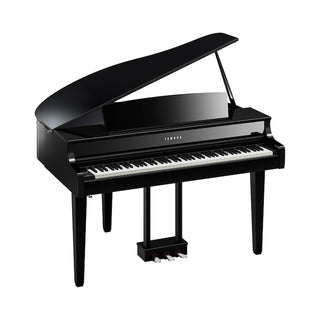
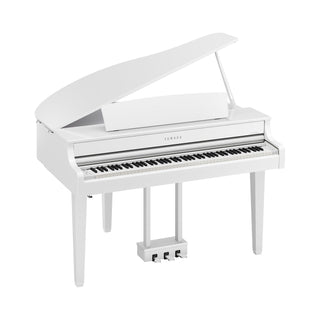
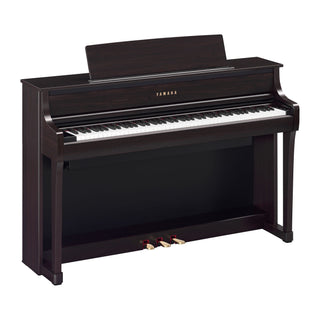
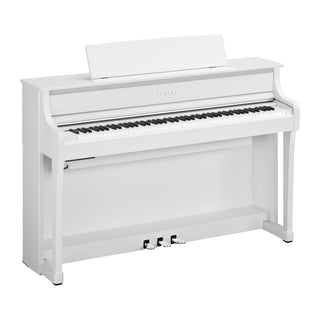
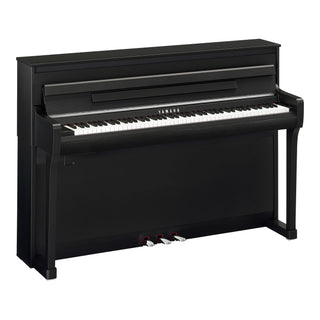
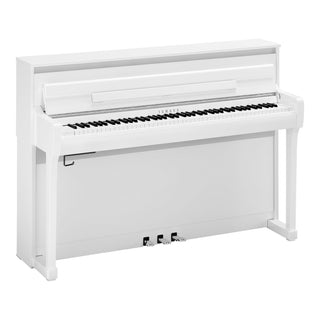
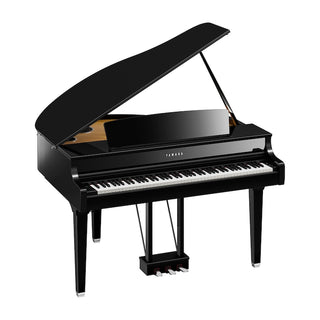
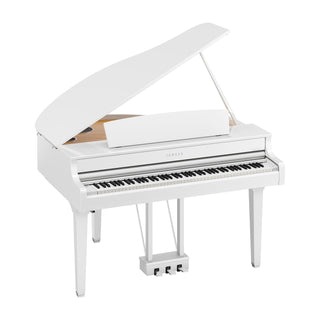
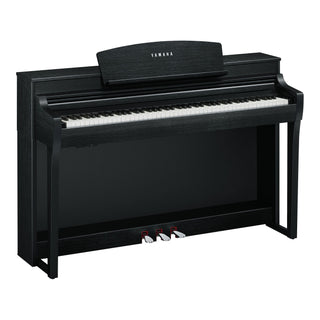
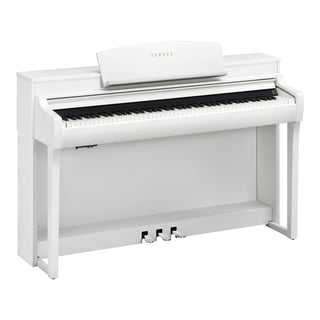
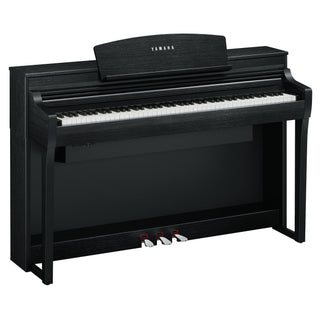
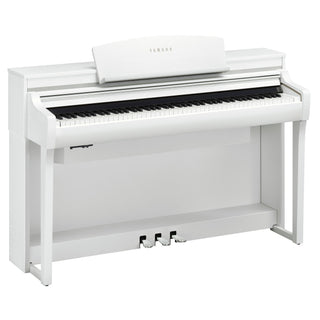
A new piano can make excellent sense for families who want predictability, a manufacturer warranty, current technology, financing options, and the confidence of knowing the instrument’s full history from day one. That is especially true for buyers considering Yamaha uprights, grand pianos, hybrids, or Clavinova digital pianos. Piano Gallery’s online and in-store inventory includes Yamaha Clavinova digital pianos, hybrids, uprights, grands, and pre-owned models, along with ongoing service support.
When shopping for a new piano, focus on these fundamentals:
1. Touch and tone
The right piano should invite you to play. Some buyers fall in love with a bright, clear tone. Others prefer warmth and depth. Some want a lighter touch; others want more resistance and control. The right answer is personal, so it is worth spending time at the keyboard instead of choosing only by specs or finish.
2. Acoustic, digital, or hybrid?
This depends on your home, goals, and lifestyle. An acoustic piano offers the traditional experience many players want. A digital piano can be ideal for apartments, flexible practice hours, headphones, and lower maintenance. For some families, a premium digital piano such as a Clavinova is the best practical choice. For others, an upright acoustic is the instrument that keeps everyone playing longer.
3. Room size and placement
A grand is not always better if the room is too small, and a compact upright may be perfect in the right setting. Yamaha notes that room size, placement, and footprint all affect how a piano sounds and fits into daily life. Buyers should think not only about musical goals, but also about where the instrument will live, how it will sound in that room, and whether the home environment is stable enough for it.
4. Dealer preparation and after-sale service
The purchase experience should include more than delivery. Ask what prep work is done before the piano leaves the showroom, whether tuning is included, what warranty support looks like, and who you call if something does not feel right after the piano is in your home. Those details can dramatically shape satisfaction over time.
The bottom line for 2026 buyers
The used piano market in 2026 is full of opportunity, but it rewards careful buyers. This is not a market where the cheapest listing automatically wins. It is a market where condition, preparation, climate history, and trustworthy guidance matter. In Utah especially, buyers should pay close attention to humidity-related risks, service records, and whether the instrument has been properly evaluated for a dry climate.
For some shoppers, a quality used piano is the best value on the floor. For others, the peace of mind that comes with a new piano is well worth it. Either way, the goal is the same: to choose an instrument that fits your home, your ears, your hands, and your long-term plans.
Looking for a used piano in Utah — or outside Utah?
Piano Gallery offers pre-owned pianos as well as new Yamaha, Clavinova, hybrid, upright, and grand pianos. We offer nationwide delivery and white-glove service. That means if you find the right used piano here, we can help sell and ship it well beyond Utah, too! SHOP HERE >