Choosing a piano in 2026 often comes down to one question: do you want the feel and sound of an acoustic piano, the convenience of digital piano, or the best of both in a hybrid piano? All three can be “right,” but they are right for different homes, schedules, budgets, and playing goals.
At Piano Gallery, we work with different types of clients every day, with many of them comparing the same three paths. This guide breaks down the differences in plain language, highlights common regrets we see, and gives you a checklist that makes the decision easier.
The Three Piano Categories at a Glance
Acoustic pianos
An acoustic piano produces sound mechanically:
fingers move keys → hammers strike strings → soundboard amplifies tone.
You get natural resonance, wide dynamic range, and a playing feel many musicians consider the reference standard.
Best for: committed players, families wanting a lifetime instrument, teachers/studios, and anyone who values acoustic sound and touch above all.
Digital pianos
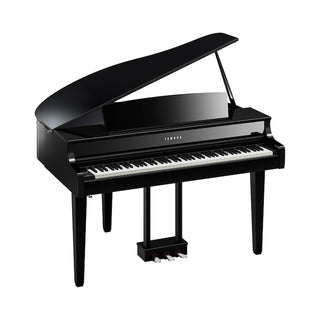
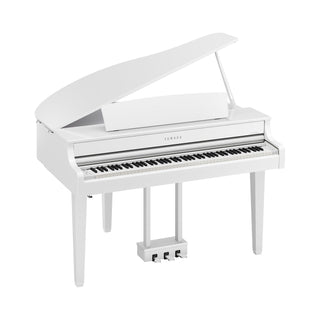
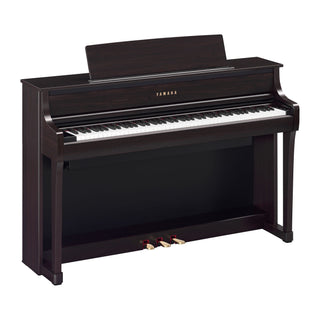
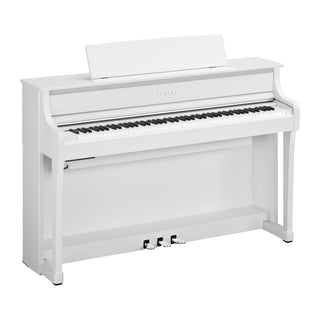
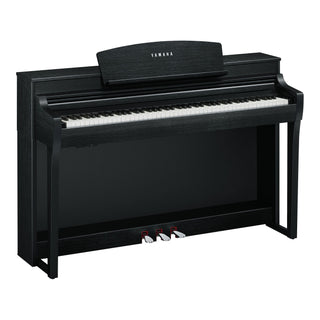
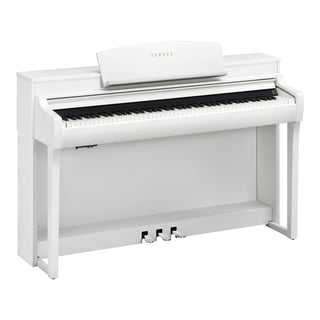
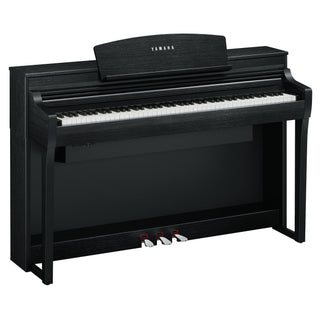
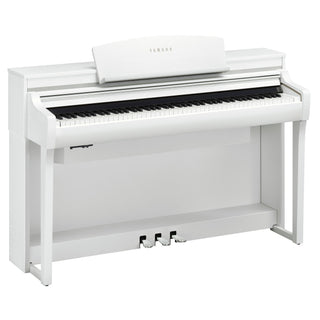
A digital piano uses sampled or modeled sound and a key action designed to mimic acoustic feel. The big advantages are:
- Volume control
- Silent playing
- Headphones
- Lower maintenance
- More features, such as different sounds/voices, recording and playback, bluetooth, play-by-light, background and supplemental playing, extensive song libraries, etc.
- and typically a lower cost of ownership.
Best for: beginners, apartment living, night practice, modern households that need quiet options, and players who want many features (recording, Bluetooth, voices).
Hybrid pianos
Hybrids bridge the gap. Most hybrids combine real acoustic-action components (or a close derivative) with digital sound engines and headphone capability. The goal is acoustic-like touch with digital convenience.
Best for: serious students, returning adults, or anyone who wants realistic touch but needs headphone practice and stable tuning-free ownership.
The decision factors that matter most (and what to prioritize)
1) Touch and technique development
If your goal is long-term technique, especially for classical training, the key action and repetition matter. This is where many shoppers underestimate differences.
-
Acoustic: best natural key leverage and repetition (varies by model and regulation).
-
Hybrid: often closest to acoustic feel in a digital format.
-
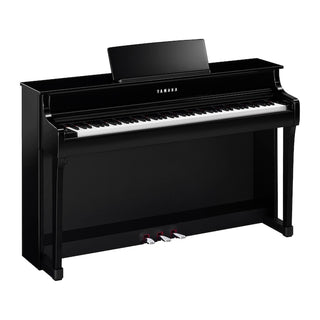
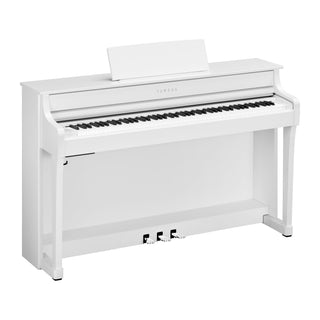
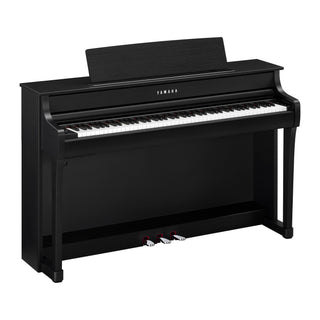
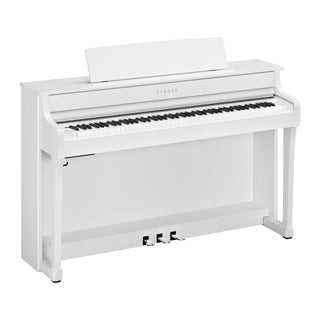
Digital: ranges widely; some (like our favorite, Yamaha Clavinovas) are excellent, others feel “springy” or disconnected.
Practical advice: if you’re advancing beyond early beginner, prioritize action quality over extra features. It impacts everything from tone control to endurance.
2) Sound experience in a real room
Acoustic sound is a full-body experience because a piano’s soundboard energizes the room. Digitals can sound excellent, but the experience is often more speaker-dependent (and room-placement-dependent).
-
If you want “the room to sing,” acoustic is hard to beat.
-
If you want consistent tone at any hour, digital/hybrid wins.
3) Practice flexibility (headphones and volume control)
This is the #1 reason many people choose digital or hybrid. If you live with roommates, young kids, shift-work schedules, or shared walls, headphones can keep you practicing consistently.
Important nuance: if headphones are essential but you still want an acoustic later, a hybrid can be a strong “bridge” instrument that supports technique development.
4) Maintenance and cost of ownership
Acoustics require ongoing care:
-
Tuning (often 1–2x/year, depending on use and climate)
-
Regulation/voicing over time
-
Humidity management in many regions
Digitals/hybrids generally avoid tuning and are stable day-to-day. That said, high-end digitals/hybrids are still premium instruments, just with different long-term needs.
5) Space, placement, and lifestyle
-
If the piano must fit a multipurpose space, a digital console or hybrid can be easier.
-
If you want a “statement piece” and acoustic presence, a quality upright or grand is compelling.
Common regrets (and how to avoid them)
Regret #1: Buying features instead of feel
A piano with dozens of voices and rhythms won’t matter if the action discourages practice. For many players, touch is the feature.
Regret #2: Underestimating the value of quiet practice
Families often plan to “just practice during the day,” then life happens. Headphones can be the difference between consistent progress and a piano that becomes furniture.
Regret #3: Overbuying too early
Beginners sometimes overspend on the biggest model “just in case,” then realize they needed lessons, a bench height adjustment, and a consistent routine more than extra power or features.
A simple decision framework
Use this as a shortcut:
Choose Acoustic if:
-
You strongly prefer natural resonance
-
You have a stable place for it long-term
-
You can accommodate regular tuning/maintenance
-
You practice mostly at normal hours or have an environment in which you can play at any time
Choose Digital if:
-
You need headphones or volume control
-
You want lower ownership maintenance
-
You’re a beginner or casual player
-
Your space is flexible or you may move
Choose Hybrid if:
-
You want realistic touch and responsiveness
-
You’ll use headphones frequently
-
You’re investing in technique development
-
You want a long-term instrument without tuning concerns
Buyer checklist (bring this to the showroom)
-
Play soft and slow (can you control quiet dynamics?)
-
Play fast repeated notes (does it keep up?)
-
Test pedaling (half-pedaling and control matter as you advance)
-
Try with headphones (comfort and tone quality)
-
Compare at least two actions at similar price points
-
Ask about warranty and service support
-
Confirm delivery logistics (stairs, tight turns, room placement)
-
Match the instrument to your practice schedule, not your ideal schedule
FAQs
Is a hybrid “better” than a digital piano?
Not always. Many digitals are excellent. The hybrid advantage is typically in look, touch realism and responsiveness, but you should decide based on how it feels to you.
Should a beginner start with acoustic?
A beginner can succeed on any category if the action is decent and practice is consistent. If quiet practice is essential, digital/hybrid often leads to better consistency.
Do acoustics sound better than digitals?
Many acoustics offer a beautiful, natural resonance that digitals may do their best to try and emulate, but never replicate. However, premium digitals can sound outstanding, especially through quality speakers or headphones.
What if I want acoustic sound but need headphones?
That’s a classic hybrid use case, or consider whether your household can support acoustic practice hours.
Can't Decide?
If you’re torn between categories, the fastest way to decide is to play three instruments back-to-back—one acoustic, one digital, one hybrid—in the same visit. Our team can set that up and help you choose based on feel, budget, and practice lifestyle.